Listing Directory: Post Your Need

  • Youssef Shahda al-Kahlout

    Youssef Shahda al-Kahlout

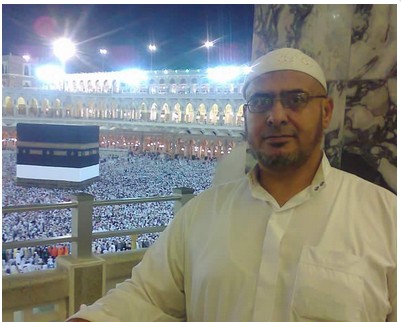
    Youssef Al-Kahlout (Yūsuf al-Kaḥlūt) (يوسف شحدة الكحلوت), 63, was a professor in the Faculty of Arts at the Islamic University of Gaza and a former chair of its Arabic Department. He supervised numerous graduate theses and taught a signature lecture course on Islamic and Ummayad literature.

    Dr. Al-Kahlout penned a corpus of research on the imbrication of poetry with its social contexts. He was particularly concerned with how Islamic ethics and aesthetics infused poetry in a range of historical epochs, including the Islamic conquest of the Levant, the Nakba, and the Second Palestinian Intifada.

    Born in 1961 to a family from a village near ‘Asqalan, Dr. Al-Kahlout received a PhD from the University of the Holy Qur’an and Islamic Sciences in Omdurman, Sudan. His dissertation, revised into a 770-page book, is an exhaustive study of Islamic poetics in al-Andalus during the taifa kings period (1009-1091). The thesis pivots on a paradox: how did the poetry of this period, “infused with the light of Islam,” innovate and flourish despite a political context of intense fragmentation and unremitting wars between petty kings?

    Dr. Al-Kahlout writes, “In light of the importance of poetry’s ethical dimension, I wanted to study it during this period to bring out its role as a guide to public life, and a correction to the course of life.” 

    How poetry reflects and refracts its political context is also center stage in Muqarabat Naqdiyya fi Shi’r al-Muqawama (Critical Approaches to the Poetry of Resistance). This book analyzes new themes in the poetry of the Second Intifada, relative to earlier waves of resistance poetry, noticing increasingly raw descriptions of the devastations wrought by Israeli violence on Palestinians’ bodies and social fabric. Muqarabat examines additional dimensions, offering an exegesis of how Jerusalem appears in the poems; how they portray the Oslo peace process; and manifestations of intertextuality with the Qur’an, Hadith, folklore, history, and Arabic poetry. 

    Another book is a full-length study of the Nakba-era poet and noted linguist Muhammad al-‘Adnani (1903-1981), a contemporary of Ibrahim Tuqan, but far less known and unjustly overlooked, argued Dr. Kahlout.

    Shortly after 5 am on 10 August 2024, Dr. Al-Kahlout was performing dawn prayers with dozens of other worshippers at the al-Tabi`in school-turned-shelter in Gaza City, where he was living with his family and hundreds of other displaced families. The Israeli military dropped three bombs on the school, decimating the bodies of many worshippers; 90 were killed and over 70 could not be identified due to disfigurement. The spokesman for Gaza’s civil defense said, “Medical teams stand helpless before this horrific scene.” 

    “Dr. Youssef was an angel on earth, a respected academic and intellectual who we have now lost,” said a former student who was also sheltering at al-Tabi`in and who lost her father in the attack. 


    Photo Credit: Filasteen Online

  • Rafat Hasan Abdel Rahman Lubbad

    Rafat Hasan Abdel Rahman Lubbad

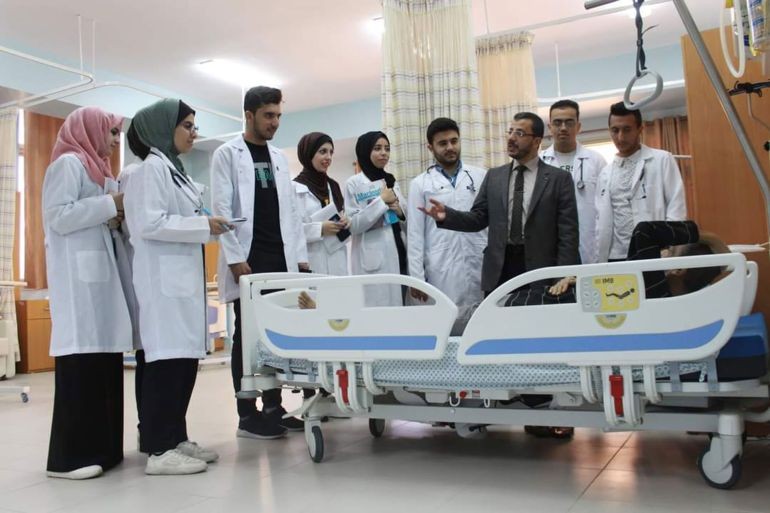
    Rafat Lubbad (Ra’fat Labad) (رأفت حسن عبد الرحمن لبد) was a 52-year-old physician of uncommon energy and dedication, and a key figure in the development of Gaza’s health infrastructure. “He was a titan of internal medicine,” recalled Canadian emergency physician Tarek Loubani, “A visionary who patiently corrected me in matters of medicine in the ER & strategy outside of it.” 

    Dr. Lubbad was on the Faculty of Medicine at the Islamic University of Gaza, served as the Head of Internal Medicine at al-Shifa Hospital complex as well as the Indonesian Hospital.

    Born in September 1971, Dr. Lubbad completed his medical education at al-Arab Medical University in Benghazi, Libya (now the Faculty of Medicine at the University of Benghazi). He worked at Althoura Hospital in Albaida City before moving back to Gaza, where he became a key node in the collective effort to build up the health sector in the face of its strangulation by Israel’s blockade, imposed since 2007. 

    In 2018, he became Director of the Qatari-funded Shaykh Hamad Hospital, a 100-bed facility that was Gaza’s only prosthetics and rehabilitation hospital. The hospital was part of an expansion in Gaza’s health sector, funded from abroad. A Reuters investigation found that by 2022, Gaza had 3,412 hospital beds, almost a 70% increase from 2009. 

    Israel attacked Hamad Hospital in its assault of May 2021.

    Dr. Lubbad opened Hamad hospital’s doors to medical students from al-Azhar University for clinical teaching, arguing that it was not only the students who would benefit. “The medical staff will develop their skills as well, for in teaching students, doctors review their information and stay up-to-date on trends in research.” 

    Dr. Lubbad maintained this balance between teaching and research in his own practice. In Libya and Gaza, he co-authored clinical studies on infection risk among health care providers, the growing problem of resistance to antibiotics, and took part in a special issue of The Lancet featuring research from Occupied Palestine.

    Like all medical leaders in Gaza, Dr. Lubbad was compelled to navigate its highly fragmented health sector. According to a study by sociologist Mona Jebril, the sector was a “field of unregulated power relations” with severe coordination vacuums between its multiple parties—two Palestinian Ministries of Health in Gaza and the West Bank; UNRWA; foreign donors and NGOs; and Israel.

    To wit, Dr. Lubbad devoted time to meeting municipal government officials; conducting public outreach during the early days of the Covid pandemic; concluding agreements with Health Ministry officials; and hosting visiting foreign doctors. 

    On 18 November 2023, three consecutive missiles struck the Lubbad family home in al-Shaykh Radwan, killing Dr. Lubbad, his brother, and several of their children. Israel blocked ambulances from reaching the area. Dr. Lubbad’s body was retrieved and buried seven months after his killing. 

    A former student grieved Dr. Lubbad’s death, as did cardiologist Muhammad Siyab Panhwar, who wrote: “Not only was he an excellent doctor, he was also a program director involved in medical education. What that means is that he was involved in training the next generation of doctors in Gaza. His loss alone is a terrible tragedy, but it is compounded by the fact that an entire generation of doctors may not get trained. Please honor his memory and remember his name.”

    Photo Credits: X; Dunya al-Watan

  • Maisara AlRayyes

    Maisara AlRayyes

    Maisara AlRayyes (al-Rayyis) (ميسرة الريس), 28, was a physician of exceptional promise. In his foreshortened life, he made tangible contributions to his two fields of expertise: emergency medicine and women’s and children’s health. “He absolutely was destined to be a leader in the field,” said Kim Jonas, Senior Lecturer in Reproductive Physiology at King’s College London (KCL).

    Born in 1995, Dr. AlRayyes graduated with honors from Gaza’s al-Azhar University medical school in 2018. At the same time, he worked as a project coordinator for the Palestine Children’s Relief Fund (PCRF), leading the training of medical students as lifesaving first aid instructors. 

    This coincided with Gaza’s weekly demonstrations of the Great March of Return, when Israeli snipers deliberately shot scores of unarmed demonstrators with live ammunition. Dr. AlRayyes “was among the volunteers at the tents to provide health services, despite the fact that the medics at these tents were also often injured,” said Bahzad Alakhras, a psychiatrist at Gaza Community Mental Health Program.

    In 2019, Dr. AlRayyes won the prestigious UK Chevening Scholarship and headed to London to pursue an MSc in women and children’s health at KCL. During his time there, he met fellow Chevening scholar Laura Hayek, who was studying for a human rights degree. They became engaged in 2022.

    MSc in hand, he could have joined the emigration train of doctors leaving Gaza. Instead, Dr. AlRayyes returned to work with Médecins du Monde, an international humanitarian organization.

    (AlRayyes with Dr. Mads Gilbert)

    His research and clinical work offer a sobering picture of a society subjected to unremitting state violence. One study, coauthored with the Norwegian emergency physician Dr. Mads Gilbert and others, describes an innovative method they dubbed “a chain of survival” for preparing communities to handle emergencies.

    Another study assesses the emergency preparedness of 16 Primary Health Care Centers in Gaza, finding that the percentage of prepared nurses was significantly higher than doctors. Only 29% of emergency drugs were available at the centers.

    Three weeks into Israel’s 2023 bombardment of Gaza, Dr. AlRayyes sent a handful of haunting text messages to a friend: 

    Every moment I’m living with my family
    as we’re talking or laughing I imagine the last moments of people
    who were alive moments before they were bombed
    all those who were martyred were like us
    sitting at home talking and laughing
    to be honest the past few days my feelings of fear
    have heightened
    I imagine myself under the rubble
    and I feel fear that I’d be still alive

    On 5 November 2023, Israeli strikes demolished the home of the AlRayyes family in Gaza City, killing Dr. AlRayyes, his parents, two sisters, and their three children. His two brothers Muhammad and Muayyad dug desperately to try and retrieve the bodies. Another Israeli strike then killed the brothers and a volunteer.

    Dr. Osaid Alser mourned his peer: “We have lost a fantastic doctor who could have changed the whole situation for children’s and women’s health in Gaza.” Dr. Mads Gilbert remembered Dr. AlRayyes as “My very close friend, brilliant medical student, then colleague, my inspiration—my beloved brother Maysara.” 

    In 2024, King’s College London announced the Dr. Maisara AlRayyes Scholarship to support one Palestinian student for a one-year Postgraduate Master’s Degree in health.

    At the announcement event, Dr. AlRayyes’s fiancé Laura said, “We never forget our martyrs. We never forget our beloved ones. We’re made of our memories with them. We’re made of them. Just like Palestine, which is made of us.”

    Photo Credits: X; X

  • Omar Saleh Omar Farwana

    Omar Saleh Omar Farwana

    Dr. Omar Farwana (‘Omar Farwāna) (عمر صالح عمر فروانة) was a prominent Palestinian gynecologist, educator, and humanitarian known for his lifelong contributions to medicine, public health, and education in Gaza. He served as an assistant professor and later as Dean of the Faculty of Human Medicine at the Islamic University of Gaza, where he played a central role in developing the medical curriculum and mentoring future generations of Palestinian physicians.

    Born on 7 February 1956, in the al-Sabra neighborhood of Gaza City, Dr. Farwana attended al-Imam al-Shafi`i School for his primary education and completed his preparatory and secondary schooling at al-Zaytun and Palestine Schools. In 1974, he enrolled at the Faculty of Medicine at Cairo University, where he graduated with honors in 1982.

    Driven by a commitment to further his expertise and serve his community, Dr. Farwana pursued postgraduate studies in physiology at the University of Leeds in the United Kingdom. He later continued his specialization in andrology and infertility in Australia. Upon returning to Gaza, he not only served as a medical educator but also remained actively involved in charitable health initiatives, notably as a board member of the Friends of the Patient Charitable Society. 

    As well as being an active researcher, his work centered on evidence-based health care in Palestine.

    Dr. Farwana’s dedication to humanitarian service extended beyond the classroom and clinic. On 17 December 1992, he was among the hundreds of Palestinians deported by Israeli authorities to Marj al-Zohour in southern Lebanon. There, he assumed leadership of the medical committee and operated the camp’s clinic, providing vital medical care under difficult conditions. Reports describe the clinic as operating “around the clock,” performing surgeries and delivering medical care not only to deportees but also to local residents in the surrounding area.

    Dr. Farwana came from a family with a deep cultural and intellectual legacy. His father, Saleh Omar Farawneh (1936–2013), was a noted Palestinian poet, best known for his poetry collection Palestinian Vocabulary, published in two volumes (2004 and 2011), which captured the struggles and resilience of the Palestinian people.

    On 15 October 2023, Dr. Omar Farwana, along with his wife, children, and grandchildren, was killed in an Israeli airstrike that targeted his home in the Tal al-Hawa neighborhood of southwestern Gaza City.

    Dr. Farwana is remembered as a compassionate physician, dedicated teacher, and community leader. His legacy endures in the many students he mentored, the patients he healed, and the humanitarian principles he upheld throughout his life.

    Photo credits: Palestinians are not numbers

  • Waleed al-Amoudi

    Waleed al-Amoudi

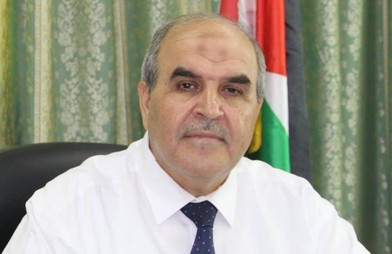
    Waleed al-Amoudi (Walīd al-‘Āmūdī) (وليد العامودي), 65, was a scholar of the Qur’an as a text and a guide to life; a theology professor; the head of a federation of Gaza charities; the imam of al-Masjid al-Gharbi in al-Shatti Refugee Camp; and a past member of the politburo of the Islamic Resistance Movement, Hamas.

    Dr. al-Amoudi was born in 1958 in al-Shatti Camp to a family expelled from Yafa (Jaffa) in 1948. In 1982, he received a bachelor’s degree in Fundamentals of Religion from Imam Mohammad Ibn Saud Islamic University in Riyadh, and six years later earned a master’s from Sharia College at the University of Jordan. His thesis is an exegesis (tafsir) of the Qur’an’s Surat Fatir, “to reveal the intersection of faith and science, and highlight the mind’s standing in the Islamic conception.” 

    He began working as a teacher at UNRWA schools, and in 1997 earned a PhD in Qur’anic Exegesis from the University of the Holy Qur’an and Islamic Sciences in Omdurman, Sudan. His dissertation argued for the superiority of the Qur’an’s methods of exposition of doctrine, compared to the methods of Muslim philosophers and speculative theologists (mutakallimun). It was later published as a book.

    Also in 1997, Dr. al-Amoudi was appointed to the Department of Qur’anic Exegesis at the Islamic University of Gaza (IUG), and elected to the first politburo of the Islamic Resistance Movement. Later in the 2000s, he also became Dean of the Libraries at IUG. He taught courses on Qur’anic Studies, Exegesis, and Special Topics. Some of his course lectures are audio-taped.

    His other published work consists of articles on Qur’anic studies, including analysis of specific suras and a paper on Ibn Taymiyya’s approach to revelation.

    For over a decade, Dr. al-Amoudi chaired the Federation of Gaza Charities, catering to orphans, poor families, and building reconstruction. In 2013, the charity sector was hit by the dual impact of the Israeli blockade and the swift closing of the Rafah crossing by the new Egyptian military government, barring entry to solidarity delegations bringing food and Eid donations. “Gaza charities have not received any funds to buy Udhiya for distribution to the strip’s poor and needy, while the plans for clothing have also come to a halt,” he told a reporter at the time.

    For over 20 years, Dr. al-Amoudi supervised scores of Master’s and PhD theses on an astonishing range of Qur’anic studies, such as the conception of friendship in the Qur’an; the meanings of abandonment (hajr); the connection between calligraphy and exegesis; and ways of confronting the siege in light of the Qur’an. The acknowledgments section of some theses express gratitude in terms that transcend the dutiful and formulaic. “He carried with me the burdens of research, and spared no effort in offering me moral and academic support. He is the best mentor,” wrote one. Another recounted, “He guided me step by step, taught me optimism and moving forward, graced me with his deep learning and his kind heart. His guidance will forever be a lantern lighting my future path.”

    Dr. al-Amoudi was killed on 10 November 2023 in Gaza City in an Israeli air strike, along with his son-in-law, `Ali `Adnan Abu `Auda. One of his sons, Abdallah, a scholar of Hadith, had been killed days earlier on 5 November 2023.

    Photo Credit: Gigaza

  • Sherif Al-Asali

    Sherif Al-Asali

    Sherif Al-Asali (Sharīf al-‘Asalī) (شريف العسلي) was a senior lecturer at the Faculty of Education, the Islamic University of Gaza (IUG). He received his PhD and MA in Education from IUG. His MA thesis (2010) — listed on the website Mandumah which archives authors and Arabic publications in the Humanities and Social Sciences in addition to Conferences— is titled, The Phenomenon of Exaggerated Religious Display Among Students at the Palestinian Universities: Causes and Treatment According to Islamic Teachings. He was also an active member of his university’s Teachers Union.  

    Al-Asali was killed with 30 members of his family when the Israeli army shelled their home in al-Daraj neighborhood in Gaza City without prior warning on 7 December 2023. He was 58 years old at the time of his murder. He was beloved by his students who also considered him one of the most effective teachers. 

    Photo credit: X

  • Mohammad Assa`ad

    Mohammad Assa`ad

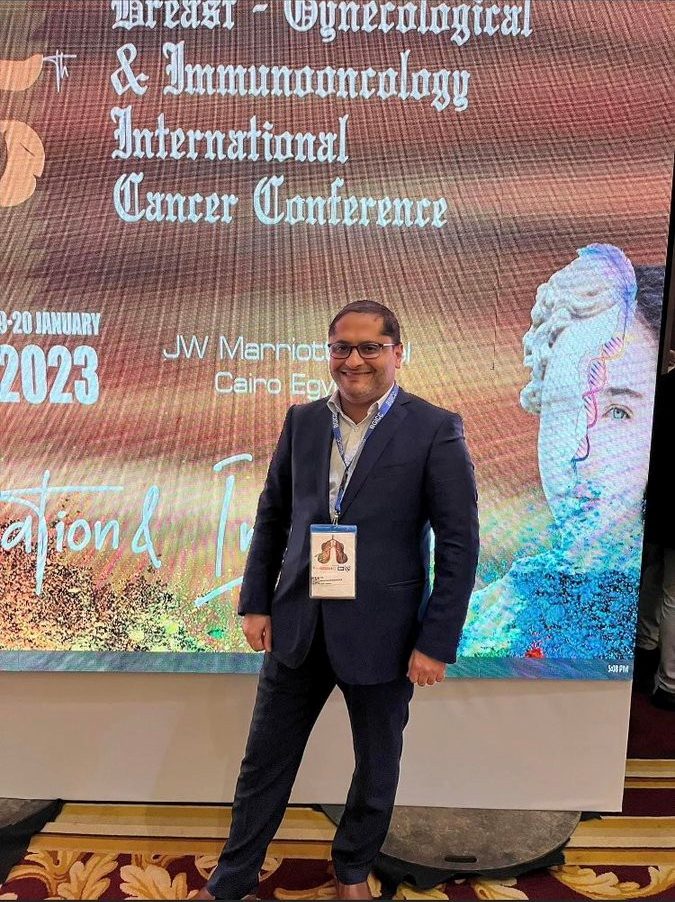
    Mohammad (Muḥammad) Assa`ad (on some websites his last name is Dabbour) (محمد أسّعد) was both an academic and a highly-trained physician. He served as a lecturer in pathology and head of the Department of Pre-clinical medicine at the Faculty of Medicine of the Islamic University of Gaza. He was the first and perhaps the only oncological pathology specialist in Gaza. At the same time, Assa`ad practiced as consultant pathologist at the al-Shifa’ Hospital that was later ravaged during an all-out attack by the Israeli army in March 2024.

    Assa`ad received his first medical degree from al-Azhar University in Gaza City in 2006. He completed his residency in anatomic pathology at the University of Jordan in Amman in 2013. He then pursued specialized training through a fellowship in oncologic pathology and hematopathology at the King Hussein Cancer Center (KHCC) in Amman, Jordan. He returned to Gaza in 2015, and while teaching and practicing, he received the certificates of both the Jordanian and Arab Board of Health Specializations (ABHS).  

    An energetic researcher, Assa`ad attended international conferences on pathology, including one in Cairo (2023) and another in Amman, Jordan (2018). And he organized the first conference in Gaza on the current state of cancer treatment in the Strip, which was to be followed by a second one, but his plans were derailed by Israeli fire. 

    Assa`ad was also a pioneering practitioner. He established the first laboratory in Gaza for analyzing biopsies, work that had to be done outside the country prior to his initiative. In June 2022, he returned to Amman for a one-month training program in flow cytometry at KHCC, with the aim of establishing and overseeing a laboratory for flow cytometry in Gaza. He had done clinical cancer research at the American University in Beirut with the Palestinian-British physician Ghassan Abu Sitta, who wrote a manual on medicine in war and survived an Israeli bombardment of Gaza’s Baptist Hospital. Later on, Assa’ad was awarded the 2023, two-year CREEW fellowship from the Global Health Institute and the Naef K. Basile Cancer Institute at the American University in Beirut, Lebanon. 

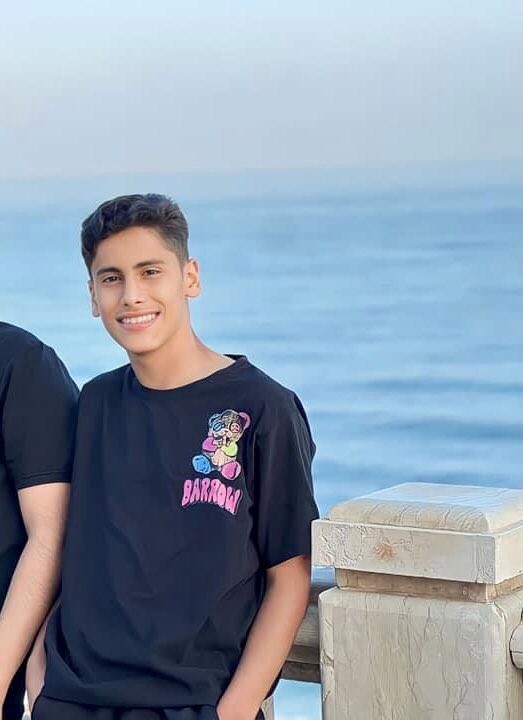
    This possibility, like others, was aborted when Israeli troops fired on Assa`ad’s car on 13 October 2023 while on his way south with his family and thousands of others, after an evacuation order by the invading army. Born 13 February 1982, he was only 41 years old when he was murdered. The bullets that killed him also ended the lives of both his father and his son `Ātif, a 16-year-old gifted athlete who dreamed of becoming an international soccer player. The last words Assa`ad posted to the “outside world,” were: “We are doing well, you too, God willing?” 

    Abdelghani Tbakhi, now a professor at McMaster University in Canada, had served as a professor and chair at KHCC during the time Dr. Assa`ad (whom he refers to as Dr. Dabbour) was a fellow there. In the Cancer Letter, based in Washington D.C., Dr. Tbakhi mourned the loss of Dr. Assa`ad, remembering him as an “extraordinary soul” and an “exceptionally kind and dedicated individual” whose “life was tragically cut short during his unwavering commitment to this vital mission of caring for cancer patients and advancing cancer practice in Gaza.”

    (Mohammad’s son, `Ātif)

    Photo credits: X (for both photos)

  • Ibrahim Hamed Hussein Al-Astal

    Ibrahim Hamed Hussein Al-Astal

    Ibrahim al-Astal (Ibrāhīm al-Asṭal) (إبراهيم الأسطل) was a Palestinian educational theorist, professor, and academic leader whose work left an indelible mark on the field of teacher education in Palestine. Over the course of his distinguished career, al-Astal championed the development of curriculum and mathematics instruction, and played a pivotal role in shaping educational strategies in Gaza and beyond.

    Born on 20 January 1961, al-Astal earned his bachelor’s degree in Mathematics Education in 1984 from King Abdulaziz University, Saudi Arabia. He later obtained a master’s degree from the University of Khartoum in 1988 and completed a PhD in Curriculum and Mathematics Teaching Methods in 1996 under a joint supervision program with universities in the United Arab Emirates. Following his doctorate, he began his academic career at al-Ain University and Ajman University in the UAE, where he served in multiple leadership roles, including Head of the Department of Educational Sciences and Deputy Dean.

    In 2009, al-Astal returned to Gaza, joining the Islamic University of Gaza (IUG) as a professor in the Faculty of Education. His trajectory at IUG was marked by steady advancement: he served as Head of the Curriculum and Teaching Methods Department from 2011 to 2013, Vice Dean from 2013 to 2015, Dean of the South Branch from 2015 to 2017, and Dean of the Faculty of Education from September 2019 until his death in 2023.

    Al-Astal’s academic work focused primarily on teacher preparation, educational quality, and mathematics pedagogy. He was Editor-in-Chief of the IUG Journal of Educational and Psychological Studies, and contributed extensively to research on effective teaching strategies. His 2005 book, The Teaching Profession: The Roles of Teachers in the School of the Future, co-authored with Faryal Younis Al-Khalidi, examined the evolving responsibilities of teachers in a changing educational landscape.

    Beyond his scholarly output, al-Astal coordinated and advised several major international educational projects. These included the “Improving the Quality of Technology Education Teacher Preparation Programs” (2010), funded by the International Development Association and the EU, and the “Teacher Education Improvement Program (TEIP)” (2011–2019), supported by the World Bank and the Palestinian Ministry of Education. He also served on steering committees for teacher development programs led by institutions such as University College London and the University of South-Eastern Norway.

    On 23 October 2023, al-Astal, his wife,  daughters, and many members of his extended family were killed in an Israeli airstrike on their home in Khan Younis during the 2023 war on Gaza . Reports indicate that over 87 members of the al-Astal family perished in the strike.

    Dr. Ibrahim al-Astal’s legacy endures through the thousands of students he mentored, the research he conducted, and the educational reforms he helped implement. He is remembered not only as a professor and theorist, but as a symbol of academic perseverance under siege. His commitment to learning, even amidst conflict, is a lasting testament to the power of education in shaping resilience and hope.


    Photo Credit: Wikipedia

  • Sireen Mohammed Yusuf Al Attar

    Sireen Mohammed Yusuf Al Attar

    Sireen Al Attar (Sirīn al-‘Aṭṭār) (سيرين العطار), 39, dedicated her life to promoting the well-being of mothers and infants, working in a health sector severely strained by Israel’s blockade, with chronic shortages of essential medical supplies and inadequate physical infrastructure. 

    Dr. Al Attar was one of a cadre of specialists trained abroad to uplift the quality and quantity of health care in Gaza. In 2021, a senior health official described this concerted governmental effort as a “health renaissance.” A Reuters report found that between 2006 and 2022, the number of general practitioners more than doubled to 1,913, as did specialists, to 1,565.

    In 2008, Dr. Al Attar graduated from the medical school of al-Quds University with top marks, and won Gaza’s only scholarship for specialty training in obstetrics and gynecology in Amman, Jordan. In April 2010, after difficulties securing a permit to travel, she finally made it to Jordan, less than 24 hours before giving birth to her first daughter, Reema. She returned six years later to work for the Gaza Health Ministry, joining a project to lower maternal mortality rates. She was also on the teaching staff of the medical schools at the Islamic University of Gaza and al-Azhar University.

    Dr. Al Attar worked to improve hospital practices to lower infant mortality rates, in part by addressing the extremely stressful work environment of under-resourced, overworked hospital staff. A Lancet article she coauthored with colleagues reported the significant effects of clinical coaching for hospital staff. 

    Eventually, Dr. Al Attar chafed at the Ministry’s bureaucracy and public hospitals’ inadequate communication with pregnant women. In 2019, she established her own practice, the Yafa (Jaffa) Clinic for Obstetrics and Infertility in al-Burayj, and produced a public outreach video for expectant mothers on how to distinguish between true and false labor.

    In 2020, Dr. Al Attar began working for UNRWA, where she was one of just three obstetric specialists across the agency’s 22 health centers. Of her prodigious capacity for work, Dr. Al Attar’s medical school classmate and UNRWA colleague Sana Najjar recalled, “She said, ‘Hell with the protocol, hell with the schedule, refer to me any case,” staying late to see up to 50 patients daily, double her assignment. She also worked to bring doctors from abroad to help with training. One of these, Dr. Deborah Harrington, a British obstetrician, said, “Sireen was making the care of women better. And she had gotten other people on board.” 

    When Israel’s assault began, Dr. Al Attar left her home in Gaza City to stay at her parents’ home in al-Burayj, hoping it would be safer. On 11 October 2023, Israel bombed the house. Dr. Al Attar was killed, along with one daughter. A cupboard fell on her eldest, Reema, 13, but she survived, along with her severely injured 6-year-old sister.

    Speaking to a reporter, Reema explained how her mother viewed her work as a duty, with no expectation of reward. “That was one of the lessons I heard her mention lots of times. I want Allah to give my reward.”

    Dr. Al Attar’s UNRWA colleagues also paid tribute to her work ethic: “She was renowned for her generosity, deep love for her work and the care and affection she extended to her patients, offering unwavering support to them.”

    In 2025, al-Istiqlal Hospital in Jordan announced the Sireen Al Attar Fellowship to train five doctors from Gaza in various specialties.

    Photo Credit: Reuters

  • Ramiz Al-`Ayidi

    Ramiz Al-`Ayidi

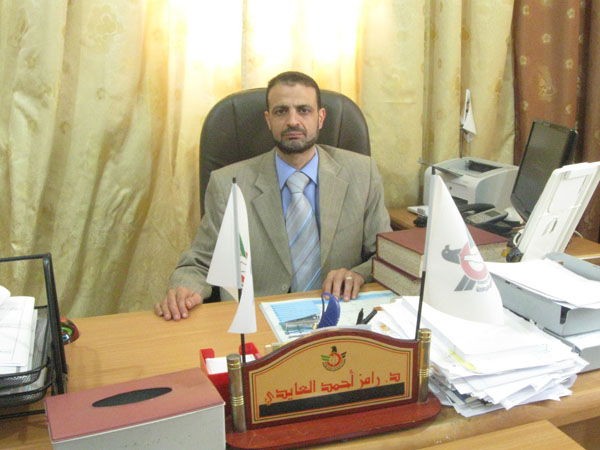
    Dr. Rāmiz al-‘Āyidī (رامز العايدى) was a Palestinian lawyer, academic, and author whose life was defined by a deep commitment to justice, education, and the advancement of his community. Born in Palestine in 1972, he grew up witnessing the struggles of his people and dedicated his career to studying the law not only as a profession but as a tool for social change and human dignity.

    A highly respected legal scholar, Dr. al-‘Āyidī was a professor of law at al-Umma Open University, where he mentored students and emphasized the importance of ethical responsibility in the practice of law. His intellectual contributions extended far beyond the classroom. He was the author of The General Theory of Crime, and Characteristics of the Arab Political System and the Causes of Change (2012), published by the Ramallah Center for Human Rights Studies. Through his writings, he explored the structures of law, governance, and society, providing critical insights into the dynamics of crime, justice, and political transformation in the Arab world.

    Dr. al-‘Āyidī was not only an academic but also an active voice in public education. He delivered lectures and workshops on pressing social issues, including the dangers of drugs and their impact on Palestinian society, often working in cooperation with local institutions and the Palestinian police to raise awareness among young people. His ability to bridge scholarship with community engagement made him a trusted figure in both intellectual and civic circles.

    Beyond his professional achievements, Dr. al-‘Āyidī was a devoted family man. He lived with his wife, Shaima Khaled al-‘Āyidī, an UNRWA school principal, in the al-Qarara area of Khan Yunis. Together they raised three children—Sama, Salah, and Ahmed—instilling in them the values of education, resilience, and love for their homeland.  

    On 17 March, 2024, after weeks of siege and destruction in their neighborhood, Dr. al-‘Āyidī was killed when Israeli forces bombarded the area. While his wife, children, and relatives fled to safety, he chose to remain behind, refusing to abandon his home and determined to safeguard what little remained of his family’s life in Khan Yunis. His death was a devastating loss, not only for his wife and children but also for his students, colleagues, and the wider Palestinian intellectual and legal community.


    Photo credits: Gigaza; Facebook